
You notice it first in the little things. Your loyal companion seems a bit more restless. Maybe they’re scratching more than usual or shaking their head. As the vibrant colors of autumn arrive, so can a wave of discomfort for your furry family member.
That beautiful crisp air carries invisible triggers like ragweed pollen and mold. These seasonal allergens can make your pet miserable. But here’s the good news: you are not powerless.
This guide is your first step toward relief. We will walk you through spotting the subtle signs of a reaction. You’ll learn about practical prevention methods and effective treatment paths.
Our goal is simple: to give you the knowledge to be proactive. With the right care, you can help your best friend enjoy the season comfortably by your side.
Understanding Fall Allergies in Dogs
As the leaves change color, a different kind of change can affect your pet. Seasonal allergies are a reaction to substances in the environment that appear at certain times of the year.
For your canine companion, this typically means discomfort from late summer through November. The key difference from year-round issues is that symptoms flare up only during this specific period.
What Are Fall Allergies?
Think of it as your dog’s immune system being a little too protective. It mistakes harmless particles, like pollen, for dangerous invaders.
This overreaction releases chemicals like histamine. That is what causes the itching and irritation you see. It’s a seasonal response to triggers that are most common in the air during autumn.
Common Fall Allergens and Their Effects
Three main culprits are to blame during this season. Knowing them helps you protect your pet.
Weed pollen, especially from ragweed and pigweed, is a major trigger. These plants release tiny grains into the wind from August until November.
Mold spores thrive in damp, decaying leaves and wood. Breezy autumn weather spreads them easily in yards and parks.
Dust mites also become a bigger problem. Turning on the heat after months stirs up their debris inside your home.
| Allergen Type | Source | Peak Season |
|---|---|---|
| Weed Pollen | Ragweed, Pigweed | August – November |
| Mold Spores | Wet Leaves, Decaying Plants | Late Summer – First Frost |
| Dust Mites | Indoor Heating Systems, Household Dust | When Heat is Turned On |
Your furry friend might react to one or all of these. Understanding the source is the first step toward managing their comfort this season.
RELATED: Why Are My Dogs Paws Red?
Identifying Signs and Symptoms of Allergies in Your Dog
Spotting the telltale signs of a seasonal reaction in your canine companion is key to providing quick comfort. These allergy symptoms can show up in several ways, affecting your pet’s skin, ears, and even their breathing.

Skin Issues and Itching
The most common complaint is intense itching. You might see your dog scratching constantly or chewing at their paws. This often leads to red, inflamed skin and even hair loss.
Other skin symptoms include dark patches or a leathery texture. A bad odor can also develop from the skin or ears.
Recurring Ear Infections and Respiratory Symptoms
Ear infections are a frequent problem. Watch for head shaking, pawing at the ears, or a waxy discharge. The warm ear canal is a perfect place for infections to start when inflammation is present.
Some pets may also show respiratory signs. These can include sneezing, coughing, or watery eyes. While less common, they are still important to note.
| Affected Area | Key Symptoms to Watch For | Behavioral Clues |
|---|---|---|
| Skin & Coat | Redness, hair loss, darkening skin, odor | Excessive scratching, licking paws |
| Ears | Redness, waxy discharge, head shaking | Pawing at ears, rubbing head on furniture |
| Respiratory | Sneezing, watery eyes, nasal discharge | Coughing, general restlessness |
Remember, these symptoms can also point to other health issues. A proper diagnosis from your veterinarian is the essential next step to ensure your pet gets the right relief.
Preventing Allergy Flare-Ups This Fall
You hold the key to minimizing your pet’s exposure to common seasonal triggers right inside your own home. While eliminating every allergen is impossible, a proactive strategy can significantly reduce the severity and frequency of discomfort.
Starting these habits before symptoms appear offers the best protection for your furry friend.
Environmental Control Measures
Think of your home as a safe haven. Simple changes make a big difference. Try walking your companion during lower pollen times, like mid-day.
Avoid areas with heavy weed growth and piles of damp leaves where mold thrives.
Wiping your dog’s paws and coat with a damp cloth after coming inside is highly effective. This removes pollen and other irritants before they spread through your house.
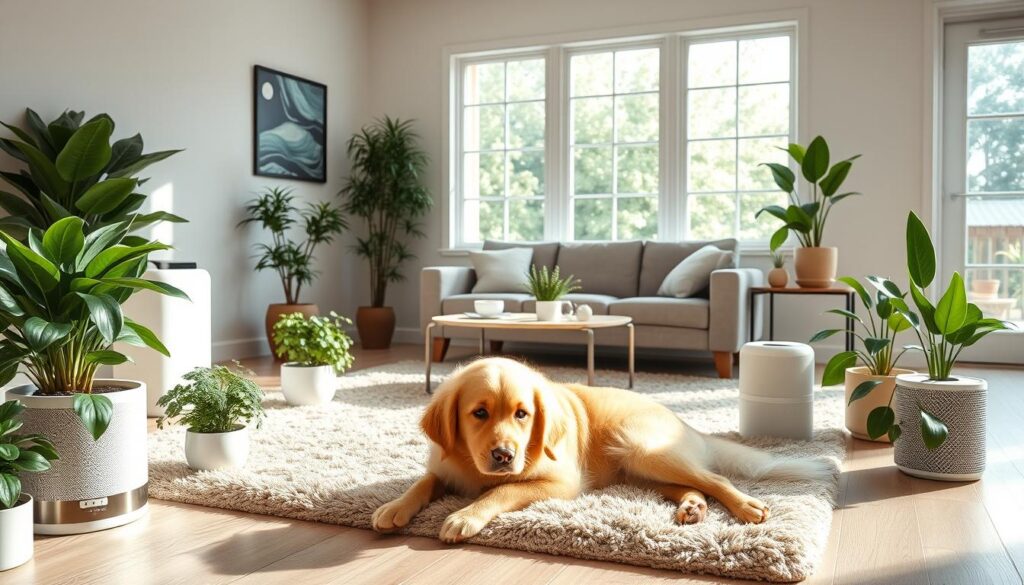
Inside, regular cleaning is your best defense. Use a HEPA vacuum to capture tiny particles from carpets and upholstery. These powerful cleaners trap dust, mold spores, and dust mite debris.
Don’t forget often-overlooked spots like window blinds and frames. Wash your pet’s bedding frequently in hot water to eliminate accumulated allergens.
Simple Home Remedies and Daily Care
Managing your indoor air quality is crucial, especially when you first turn on the heat. Change HVAC filters and consider an air purifier.
Be mindful of air irritants like strong scents from candles or cleaning products, as these can worsen respiratory issues.
Create daily routines that build a strong defense. Remove shoes at the door and use good doormats. Designate a clean, dry “safe zone” for your pet to relax.
| Action | Target | Benefit |
|---|---|---|
| Paw Wiping After Outdoors | Pollen, Mold Spores | Reduces tracked-in allergens |
| HEPA Vacuuming & Dusting | Dust Mites, Household Dust | Removes irritants from surfaces |
| Washing Bedding in Hot Water | Accumulated Allergens | Eliminates triggers from fabric |
This consistent care, combined with your veterinarian’s advice, creates a comprehensive plan for managing seasonal allergies effectively.
Fall Allergies in Dogs: Effective Treatment Options
Modern veterinary medicine offers powerful tools to stop the itch and restore your companion’s quality of life. While a complete cure isn’t possible, numerous effective treatment paths can manage symptoms and keep your pet comfortable.
Anti-Itch Medications and Topical Therapies
Stopping the itch cycle is the first priority. Medications like Apoquel and Cytopoint injections target the itch signal directly. This provides rapid relief and prevents your dog from causing self-trauma.
When scratching leads to broken skin, secondary infections can occur. Your vet may prescribe oral antibiotics or anti-fungal medications. Topical treatments like medicated shampoos and sprays offer localized relief.
RELATED: Can Dogs Eat Tomatoes?
Immunotherapy and Long-Term Support
For long-term management, immunotherapy aims to desensitize your dog’s immune system to specific triggers. This can involve custom-formulated shots or oral drops.
Supportive care is also key. Omega-3 supplements, like fish oil, strengthen the skin barrier. Regular ear cleaning with a veterinary solution helps prevent painful ear infections.
| Treatment Type | Primary Goal | Examples |
|---|---|---|
| Anti-Itch Medication | Block itch signals, provide fast relief | Apoquel, Cytopoint |
| Infection Control | Treat bacterial or yeast infections | Oral antibiotics, medicated ear drops |
| Long-Term Management | Desensitize the immune system | Immunotherapy (allergy shots) |
The best approach often combines several of these treatments. Your veterinarian will create a plan tailored to your pet‘s specific needs.
Managing Your Dog’s Health During Allergy Season
Building a strong partnership with your veterinarian is the cornerstone of managing your canine companion’s seasonal health challenges. This teamwork ensures an accurate diagnosis and a personalized care plan that evolves with your pet’s needs.
A proactive approach makes all the difference. Scheduling an appointment before symptoms typically begin allows your vet to create a strategic plan.
Working Closely With Your Veterinarian
Diagnosing environmental sensitivities is a detailed process. Your veterinarian will conduct a thorough physical exam and review your pet’s history of recurring symptoms.
They must rule out other issues like fleas or food sensitivities. The most dependable method is a RAST test, a specific blood analysis.
The most effective management combines prescribed therapy with consistent at-home care and immediate reporting of any new issues.
During your visit, expect detailed questions about your dog’s routine and environment. This information is crucial for pinpointing triggers.

Routine Check-Ups and Continuous Monitoring
Managing this condition is typically a lifelong commitment. Your pet’s needs may change over time, requiring adjustments to their care strategy.
Vigilant monitoring throughout the year is essential. Watch for signs like excessive scratching, head shaking, or skin changes.
If you notice any symptoms, contact your vet promptly. A quick response can prevent minor irritation from becoming a serious infection.
| Step | Purpose | Outcome |
|---|---|---|
| Physical Examination | Assess skin, ears, and overall health | Identifies visible signs and rules out immediate issues |
| Symptom History Review | Understand patterns and timing | Confirms seasonal nature of the problem |
| Specific Allergy Testing | Identify precise environmental triggers | Allows for targeted management and treatment plans |
Keeping a simple log of your dog’s symptoms and responses to treatment provides invaluable data. This record helps your veterinarian fine-tune the long-term plan for your pet’s optimal comfort.
Conclusion
The bond you share with your pet is strengthened when you proactively address their seasonal needs. While fall allergies cannot be cured, they are absolutely manageable with the right approach.
Watch for key symptoms like excessive scratching and ear issues. Early recognition prevents complications. Consistent daily care—from paw wiping to regular cleaning—makes a significant difference in your companion’s comfort.
Work closely with your veterinarian to create a personalized plan. This partnership ensures the most effective treatments for your dog‘s specific situation.
Your dedication shows the deep care you have for your furry friend. Every effort contributes to their health and happiness throughout the challenging season and beyond.
FAQ
What are the most common signs my dog has seasonal allergies?
What allergens are most active during the fall season?
How can I help my dog feel better at home?
When should I make a vet appointment for my dog’s allergies?
What treatment options will my veterinarian likely recommend?